TERI School of Advanced Studies and Emerson bring together leading universities to launch a book on Net Zero Transition in Higher Education
Mar 30, 2026
PNN
New Delhi [India], March 30: The Emerson Centre of Excellence (CoE) for Sustainability Studies at the TERI School of Advanced Studies (TERI SAS) hosted a thematic track on "Advancing Net Zero Transitions for Higher Education Institutions (HEIs): A Structured Approach" during the 25th World Sustainable Development Summit (WSDS) 2026 at the Taj Palace, New Delhi.
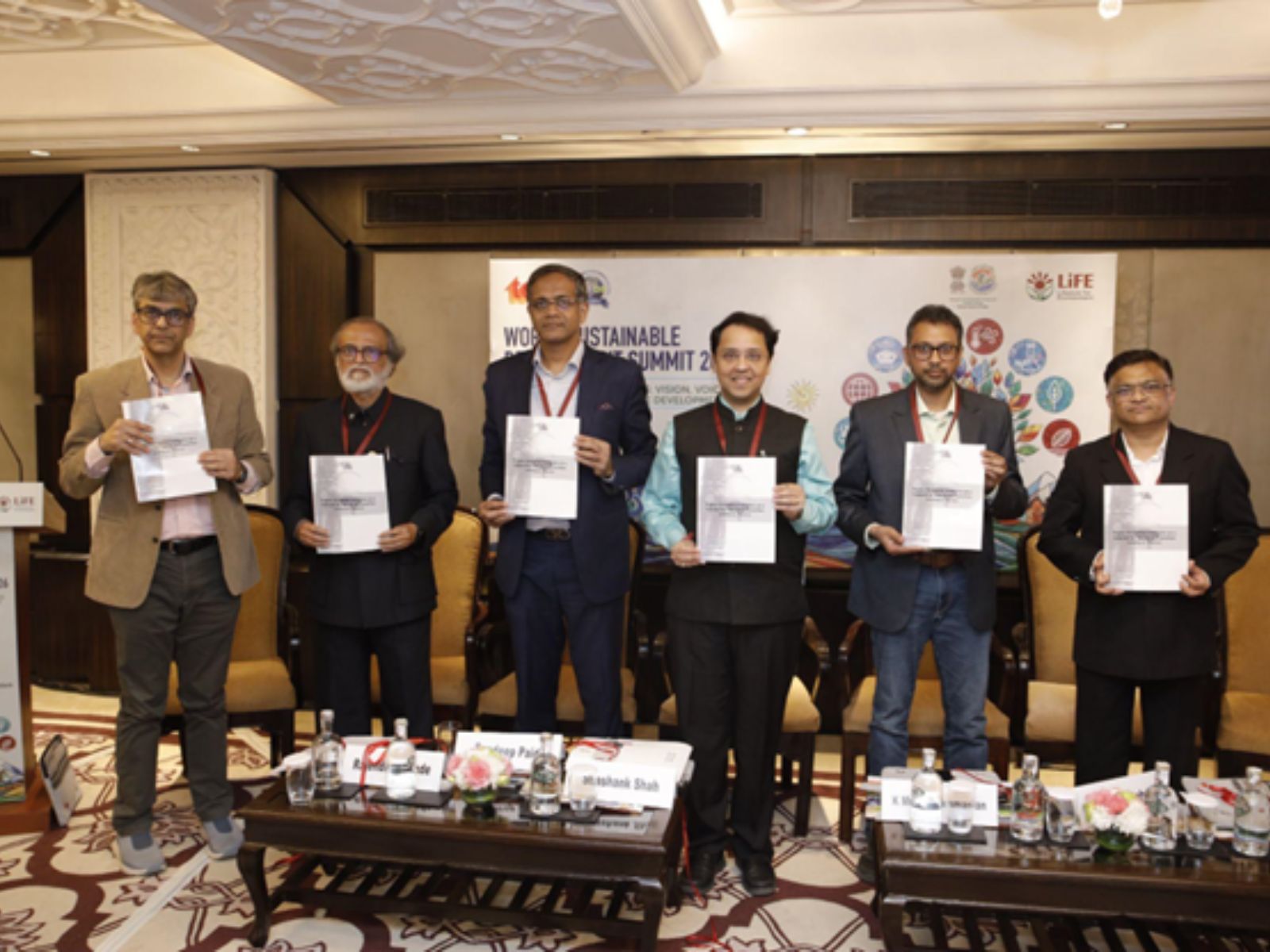
A key highlight of the event was the launch of the case compendium book - Higher Education Institutions as Catalyst for Net Zero Transition: Leading by Practice, developed by the Emerson CoE. The book brings together sixteen research-informed case studies from Indian and international HEIs, documenting practical approaches to net zero transitions across energy, water, waste, mobility, green infrastructure, and sustainability-led research.
The book serves as a major resource for institutions seeking to operationalise climate action through campus-wide systems, governance, and curriculum. The participating HEIs displayed a wide spectrum of net-zero transition initiatives ranging from comprehensive campus strategies to domain-specific innovations.
Nalanda University presented its GRIHA-recognised renewable energy systems and integrated water management, while IIT Bombay demonstrated its living-lab model through the Sustainability Cell and Green Energy and Sustainability Research Hub initiatives. IIM Lucknow highlighted how sustainability is being integrated into management education alongside energy-efficient campus operations. CEPT University, Ahmedabad, highlighted a traditional-knowledge-based water kund supporting groundwater recharge. Ramjas College, University of Delhi, shared their practices in solar-roof top, rainwater harvesting, and eco-walks to develop nature-human relationships. Deshbandhu College, also from the University of Delhi, shared their practical interventions in water conservation, recycling, composting, and ecological restoration. Christ University, Bengaluru, presented its progress toward a net-zero campus through robust waste and water management systems and various student-led actions. Chandigarh University demonstrated institutionalised sustainability governance through EV adoption, sewage treatment, and performance tracking systems. Guru Gobind Singh Indraprastha University emphasised circular water systems, climate-responsive architecture, and renewable energy integration, while Jamia Millia Islamia highlighted its biodiversity-rich green campus. B.N. College of Architecture for Women, Pune, demonstrated environmental audits, data-driven environmental management, and conservation practices.
International contributions included the University of New South Wales, Australia, outlining institution-wide net-zero strategies; Deakin University, Australia, presented its 'Climate Ready Campus' integrating mitigation, adaptation, and resilience; and Zurich University of Teacher Education (PHZH), Switzerland, demonstrating digital 'civic-hacking' approaches for sustainability learning. TERI School of Advanced Studies, New Delhi, highlighted its integrated sustainability education, green campus infrastructure, and research-led climate action.
Speaking at the launch, Prof. Suman Kumar Dhar, Vice Chancellor, TERI SAS, highlighted its innovative initiatives, such as its cost-effective carbon-capture process developed through enhanced cultivation of the aquatic fern Azolla spp. He also emphasised the significance of collaborative learning; schools learning from colleges, and colleges from universities that lead in sustainability. He reaffirmed TERI SAS's pioneering role in sustainability education through its NEP 2020 aligned UG, PG, and Doctoral programmes.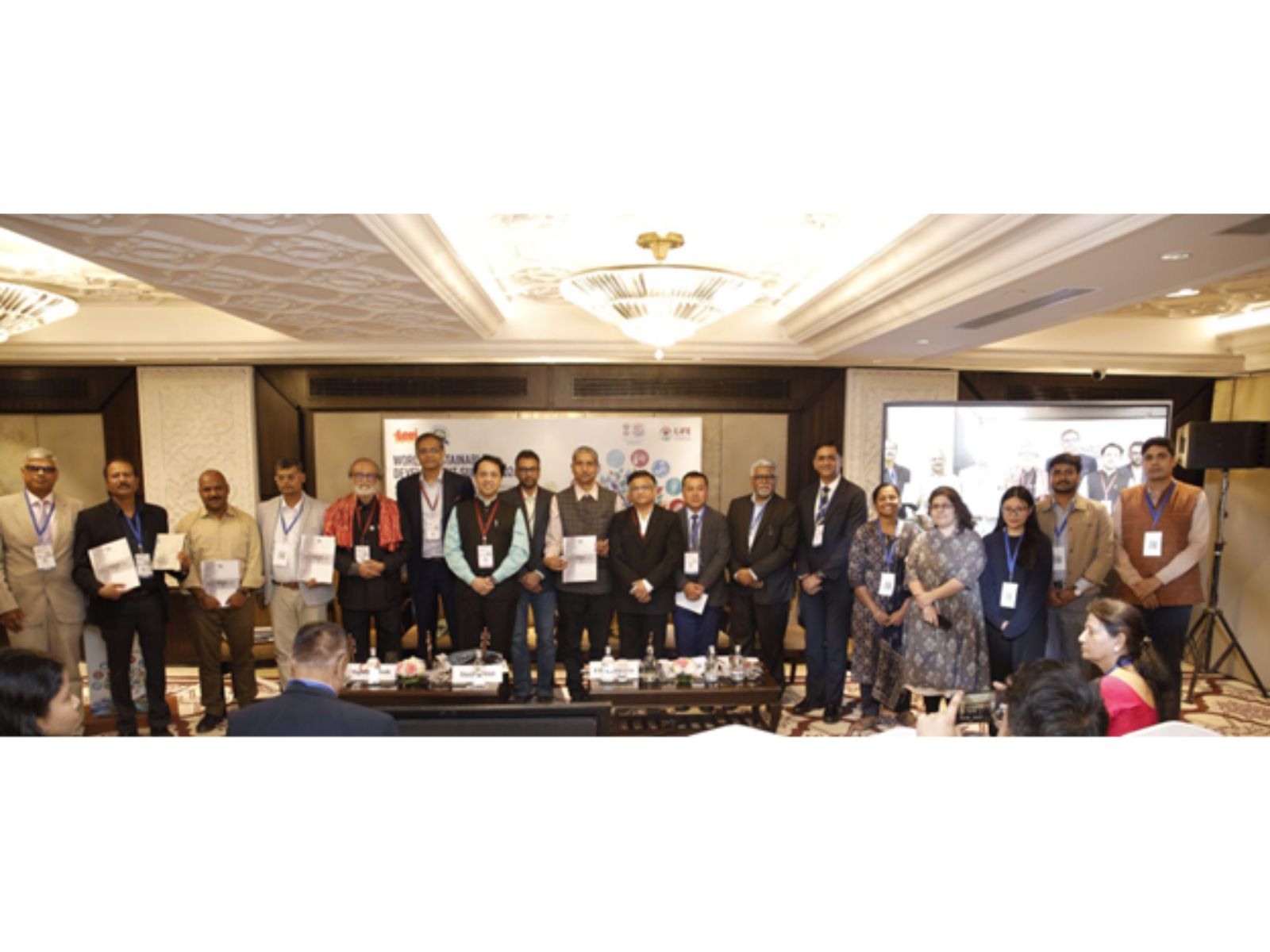
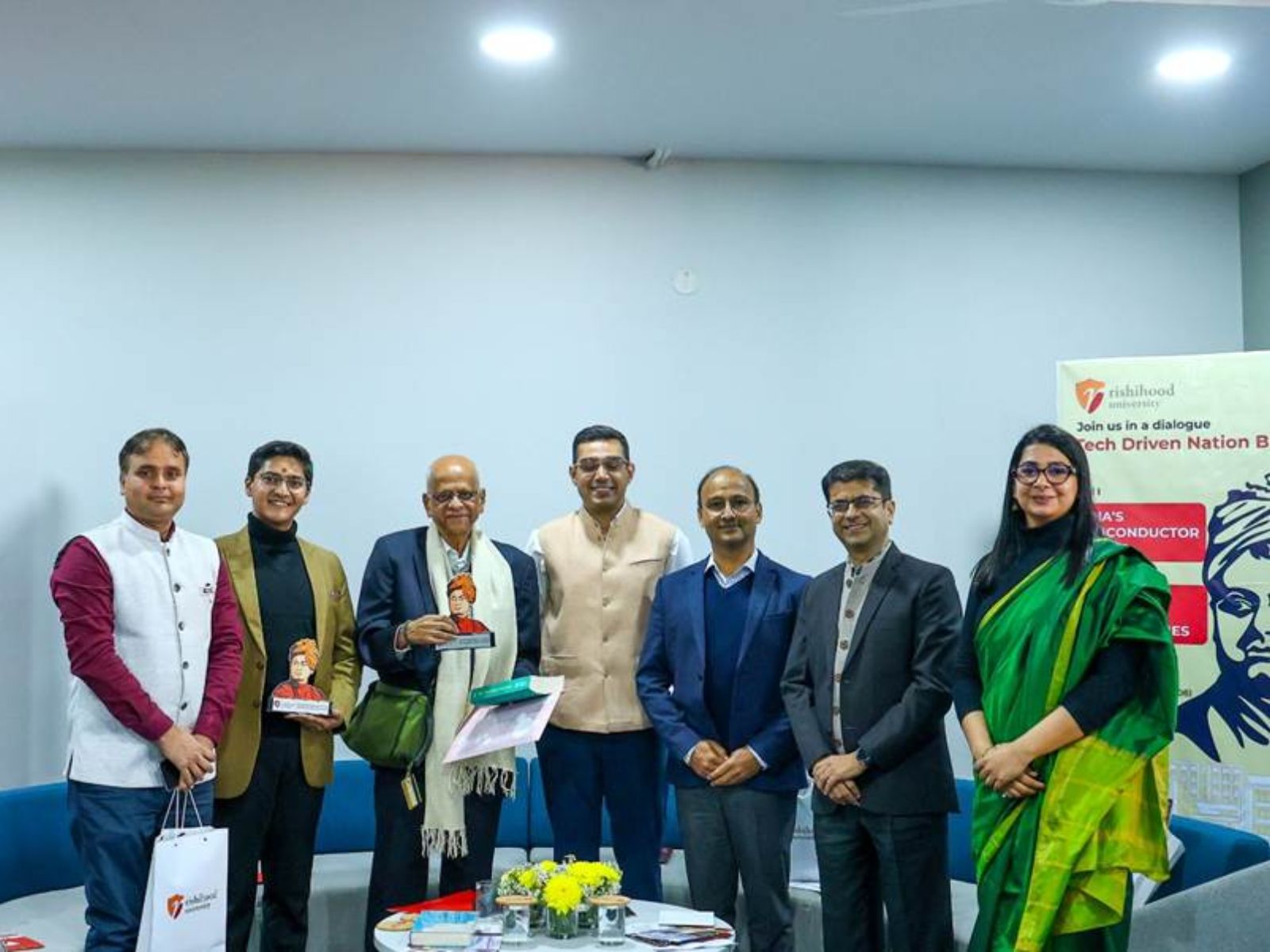
A panel discussion followed the book launch, moderated by Mr. Deepak Ajwani, Editor, EconomicTimes.com and Assistant Vice President, The Economic Times. Panellists included: Dr. Rajendra Shende, Founder Director, Green TERRE; Mr. Sandeep Paidi, Partner and Lead - Health, Human and Social Services, KPMG India; Dr. Shashank Shah, Director and Senior Specialist, Higher Education, NITI Aayog; Mr. Kamalakkannan Muthusubramanian, Director of Innovation, Emerson Electric Co. India Pvt Ltd; and Prof. Shaleen Singhal, Director, Emerson Centre of Excellence for Sustainability Studies, TERI SAS.
Opening the discussion, Mr Ajwani highlighted the importance of engaging youth and encouraging HEIs to lead by example in advancing net zero goals. Dr Shende emphasised integrating ecology with economy and curriculum through wider stakeholder participation. He also highlighted the role of collaborating networks of HEIs and NGOs in bringing collective change in society for a net zero transition. Prof Singhal mentioned that the book was a result of knowledge co-production through engagement with the sixteen leading HEIs and key stakeholders. All the sixteen cases offered grounded presentations of research-informed initiatives by HEIs. He also highlighted that the case-studies and distilled messages in the book focus on the Science-Policy-Practice-Interface in the realm of net zero transition by HEIs.
Dr Shah outlined strategies under the UGC framework and stressed the potential impact of initiative-taking campus-level action. He encouraged institutions to adopt green construction aligned with standards such as GRIHA, increase non-fossil energy use, and integrate sustainability into education and research. Mr Paidi highlighted HEIs as powerful engines for climate leadership capable of shaping future generations while driving impacts beyond campuses through net zero commitments. He emphasized on institution-wide transformation that embeds climate literacy, experiential learning, strong governance, and measurable progress across all systems. Mr. Muthusubramanian highlighted the importance of governance structures, including the appointment of Chief Sustainability Officers (CSO) and the formation of institutional committees, while emphasising that industry collaboration can accelerate sustainability innovation across campuses.
The panel collectively reaffirmed that HEIs play a pivotal role in advancing India's net zero ambitions, driving systemic change through policy alignment, technology adoption, and community engagement. On these lines the case compendium book serves to inspire collective progress towards a sustainable future.
TERI School of Advanced Studies, deemed to be University, Vasant Kunj, New Delhi is currently accepting applications for its programmes across sustainability in areas dominating the future of technology like - biotechnology, energy, climate science, geoinformatics, environment, public policy, sustainable development, renewable energy, management, economics, law and data science at UG/PG and PhD level.
About Emerson Center of Excellence
The Emerson Centre of Excellence for Sustainability Studies at TERI School of Advanced Studies is a research centre established in partnership with Emerson Electric Co. India Pvt Ltd. The Centre focuses on sustainability research and solutions for challenges such as climate change, energy transition, water management, and urban development. As a hub for innovation, the Centre conducts scientific studies, undertakes data analysis, and disseminates knowledge through events and publications.
(ADVERTORIAL DISCLAIMER: The above press release has been provided by PNN. ANI will not be responsible in any way for the content of the same.)