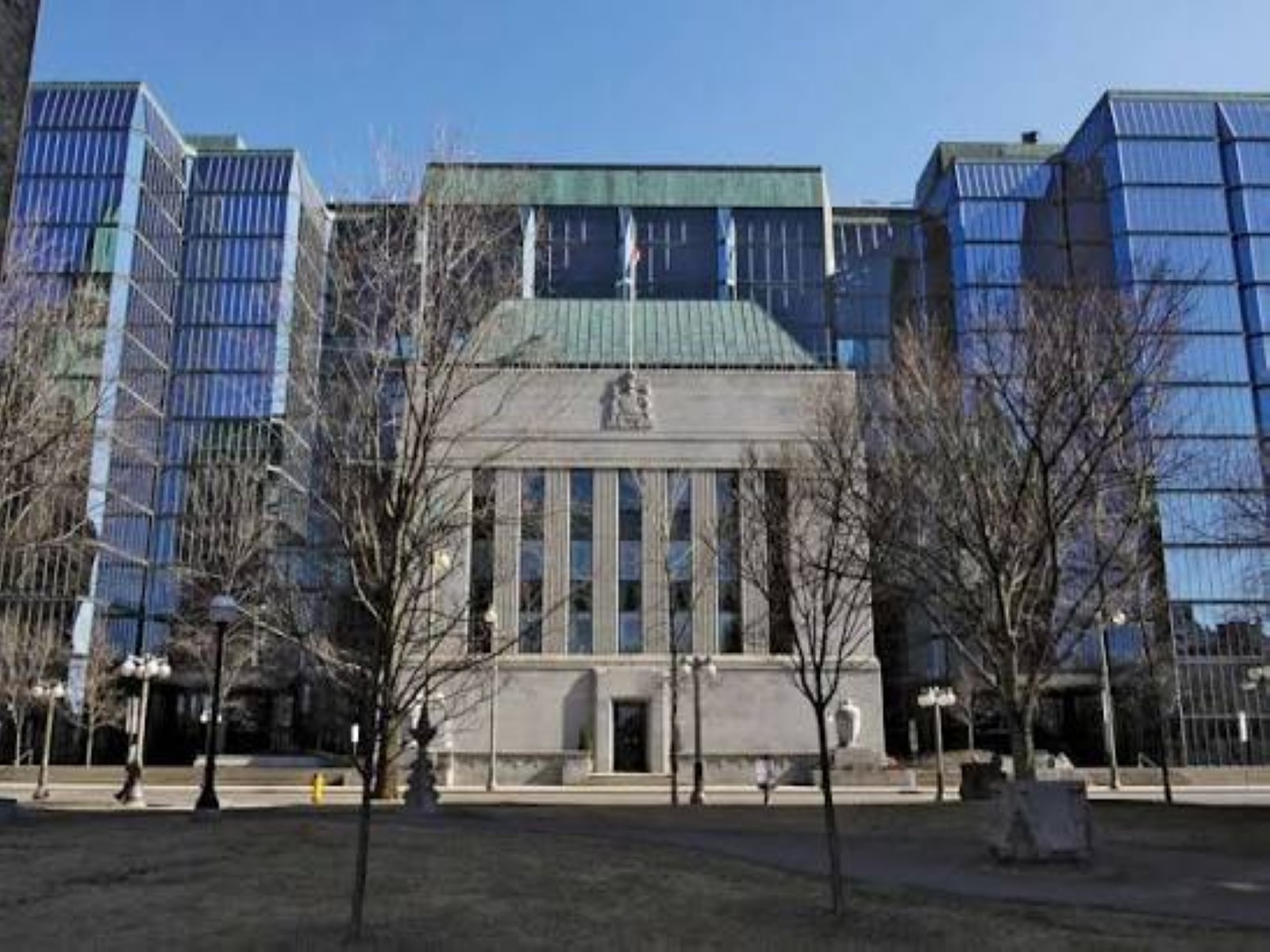
Bank of Canada expected to keep rates steady at 2.25%
Jul 15, 2026
Canada. July 15: The Bank of Canada (BoC) is expected to keep its key policy rate unchanged at 2.25 percent on Wednesday, as signs of an easing underlying price pressures give policymakers little reason to raise borrowing costs while a rebound in economic growth after a technical recession reduces the need for any stimulus. All 36 economists surveyed by Reuters expect the central bank to hold rates, with a majority forecasting no change until at least July next year.
The decision will be accompanied by the BoC's quarterly Monetary Policy Report, updating forecasts for growth and inflation following an oil-price shock and continued United States trade uncertainty.
"It is really just about inflation that the bank focuses on, and if inflation pressures are still high, I don't know that the bank would necessarily move," said Pedro Antunes, chief economist at Signal49 Research.
While the economy remains weak, he said, it is not weak enough to require additional BoC stimulus. The economy contracted in the final quarter of last year and again in the first three months of 2026, but rebounded more strongly than expected in April. The unemployment rate edged down to 6.5 percent in June, data showed last week.
The bank's last move was a reduction in October, which brought the policy rate to the bottom of its estimated neutral range of 2.25 percent to 3.25 percent. A hold on Wednesday would mark six straight meetings with rates unchanged.Inflation remains the main constraint on any easing. Annual inflation rose to 3.2 percent in May, breaching the central bank's 1 percent-3 percent control range for the first time since December 2023, after higher energy prices pushed up household costs.
But measures of core inflation have remained close to 2 percent and gasoline costs have come down since the start of the US-Iran war. BoC officials have said there has so far been limited evidence that the energy shock is spreading broadly through consumer prices.
"The spike in oil prices has yet to show significant signs of turning into a broader longer-lasting inflation shock," said Nathan Janzen and Claire Fan, economists with RBC, in a note.Governor Tiff Macklem said after the June decision that the Bank would look through the war-related near-term increase in inflation but would act if higher energy prices produced persistent, generalized price pressures.
He also said significant new US trade restrictions could require further rate cuts. April's Monetary Policy Report projected 1.2 percent growth and 2.3 percent inflation this year. Wednesday's update is expected to revise both. The decision will be released at 9:45 am ET, followed by a press conference with Macklem and Senior Deputy Governor Carolyn Rogers.
Source: Qatar Tribune